
Prototype de PCB en toute simplicité

Service complet de prototypage de PCB personnalisé.

Surface Finishing

Spray painting - Matt paint

Spray painting - Matt paint is commonly used in industries such as furniture and automotive, achieving a soft matte finish through spray application, enhancing the product's texture and contemporary feel.

Get a quote

Introduction to Spray painting - Matt paint

Spray painting - Matt paint
Description

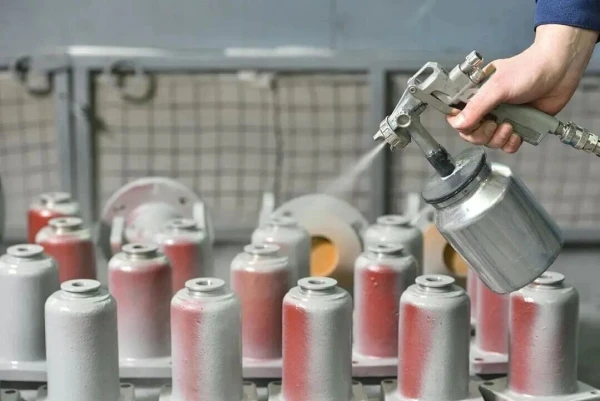
Spray painting: Using spray guns with air pressure to disperse into uniform and fine droplets and apply the painting to the surface of the object. Application: generally used in the appearance of smart hardware, home appliances, and plastic parts.

Colors:

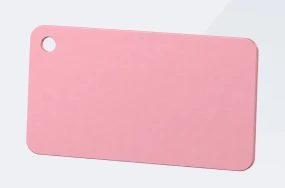
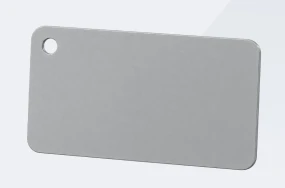
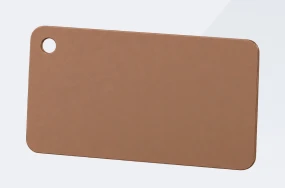
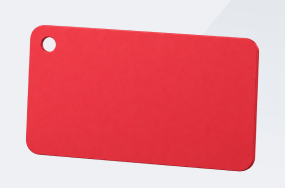
Applicable to all pantone colors-Matt

Technical Properties

Applicable Sharp edges and burrs Premium appearance availability Tolerances
Metals, Plastics Removed Yes Met after surface finish

Added durability in a variety of colors and finishes

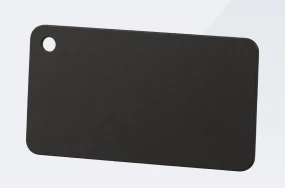
Process Black

Process Black

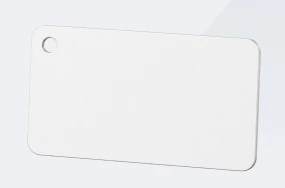
PANTONE Matt White

PANTONE Matt White

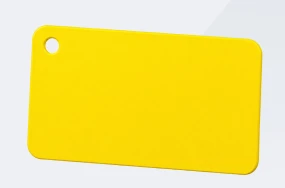
PANTONE Yellow  U

PANTONE Yellow U

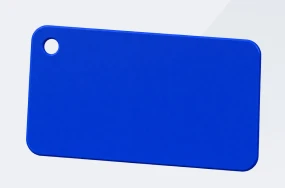
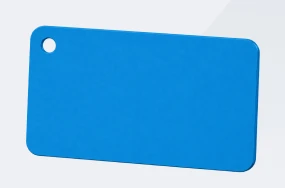
PANTONE Blue 072 U

PANTONE Blue 072 U

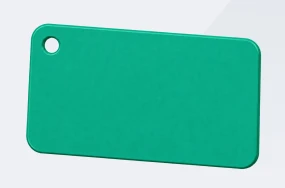
PANTONE Green  U

PANTONE Green U

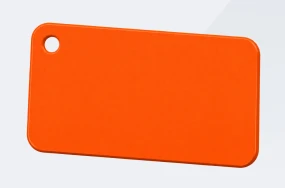
PANTONE Orange 021 U

PANTONE Orange 021 U

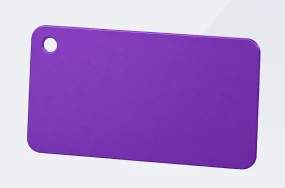
Purple U

Purple U

Process Blue

Process Blue

PANTONE Red 0331 U

PANTONE Red 0331 U

PANTONE Cool Gray 5 U

PANTONE Cool Gray 5 U

PANTONE 470 U

PANTONE 470 U

PANTONE Red 032 U

PANTONE Red 032 U

Example of a Spray painting - Matt paint Part

Spray painting - Matt paint

CNC Spray Painting Finish Guide

1. Principle of Spray Painting

Spray painting is a process in which specially formulated liquid coatings are atomized through a spray gun nozzle and evenly applied to a workpiece surface. After curing, the coating forms a functional or decorative layer that provides properties such as scratch resistance, wear resistance, and fingerprint resistance. Spray painting is widely used on non-metallic materials, including plastics, wood, composite materials, and carbon fiber, as well as metal substrates.

2. Types of Spray Coatings

Common spray coatings include UV-curable coatings, soft-touch coatings (rubberized paint), polyurethane (PU) coatings, metallic coatings, and clear coats.
UV-curable, soft-touch, and metallic coatings are among the most commonly used types. Many consumer electronics products, including watches, smartphones, and headphones, undergo UV coating. Soft-touch coatings are widely used on handheld devices, such as power tools and massage guns, to provide a smooth, comfortable feel. Metallic coatings are often applied to plastic parts to create a metallic appearance and finish.

Types of Spray Coatings

3. Spray Painting Methods

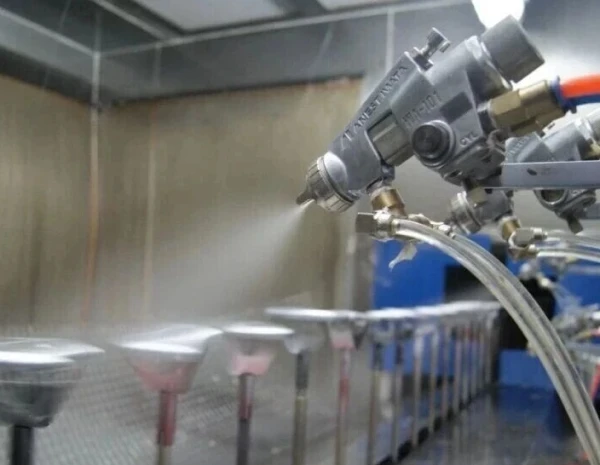
Spray painting can be performed manually or using automated equipment. Manual spray painting is commonly used for early-stage prototypes, product touch-ups (such as automotive paint repairs), and small-batch production. Automated spray painting offers higher efficiency and is better suited for mass production.
Before spraying, workpieces must undergo pretreatment to ensure the surfaces are thoroughly cleaned. For plastic parts, annealing may also be necessary to relieve residual stresses and reduce the risk of coating cracks during subsequent processing. After pretreatment, the coating is applied and then cured.

Manual Spray Painting
(Manual Spray Painting)
Automated Spray Painting
(Automated Spray Painting)

4.Anodizing Design Considerations

Finish Type Gloss Level Reference Typical Appearance Common Applications
Spray Painting-Matt 5°–30° (measured at a 60° angle) Minimal specular reflection, soft diffuse reflection, and a fine surface texture Consumer electronics housings and instrument panels; helps minimize visible fingerprints
Spray Painting-High Gloss 70°–95° (measured at a 60° angle) Mirror-like reflections and a smooth, high-gloss appearance Premium decorative components requiring a striking visual effect

5.Spray Painting Design Considerations

  • Typical coating thickness: Topcoat, 10–35 μm; primer, 5–15 μm. Sharp corners and recessed grooves are prone to paint buildup and sagging.
  • Edges and sharp corners: Coatings tend to be thinner along edges and sharp corners, increasing the risk of adhesion failure.
  • Deep grooves and blind holes: These features may trap excess paint or air bubbles. Consider adding draft angles or openings where feasible.
  • Substrate temperature resistance: Confirm that plastic substrates can withstand the curing temperature, as high-temperature baking may cause deformation.
  • Surface finish requirements: Matte coatings tend to reveal substrate imperfections, while glossy coatings are highly sensitive to dust, orange peel, and scratches.