

Prototype de PCB en toute simplicité

Service complet de prototypage de PCB personnalisé.

Surface Finishing

Brushed

Brushed is commonly used in industries such as home decor and appliances, creating a textured metal surface with linear patterns through brushing, enhancing the product's texture and aesthetics.

Get a quote

Introduction to Brushed

Brushed
Brushed
Description

Brushing is a surface treatment process in which abrasive belts are used to draw traces on the surface of a material, usually for aesthetic purposes. The thickness of the abrasive belts (usually between \#80-120) affects the finish. Although suitable for a handful of metals, brushing is most commonly applied to aluminum.

Technical Properties

Applicable Sharp edges and burrs Premium Appearance Availability Tolerances
Metals Removed Yes Met after surface finish

Example of a Brushed Part

Brushed
Brushed

CNC Brushed Finish Guide

1. Brushed Finish Process

A brushed finish is a surface treatment process that uses mechanical equipment to create a specific texture and appearance on a metal surface. The process mainly involves using abrasive materials such as abrasive belts or emery to grind the metal surface, creating a uniform brushed texture.
As one of the commonly used CNC machining finishes, a brushed finish can be applied after machining to improve the appearance and surface feel of metal parts.

2.Characteristics of Brushed Metal Finish

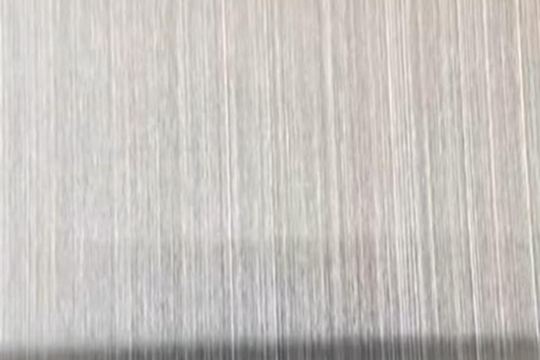
A brushed metal finish creates a matte, hairline-like texture on the metal surface. It offers good wear resistance and a refined visual appearance. The surface texture can generally be classified into four types: straight, random, wavy, and spiral patterns. Straight patterns are produced through mechanical friction, while random patterns are created through irregular abrasive movement.

2.1. The main characteristics of a brushed finish include:

  • The surface has a matte appearance with fine linear textures. The texture is visible on close inspection but is generally smooth to the touch. Compared with a polished surface, a brushed surface is more resistant to visible wear.
  • The brushing process removes a small amount of material from the metal surface. For stainless steel plates, the material loss is generally around 0.1–0.2 mm. Fingerprints can also be more visible on frequently touched brushed surfaces, so regular cleaning may be required.
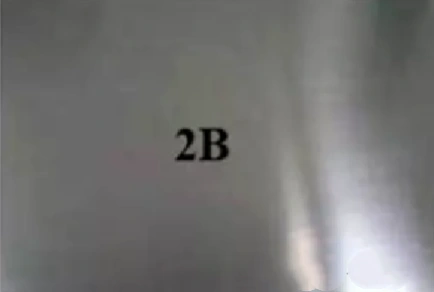
  • Hot-rolled No.1 surfaces typically have a rough, silver-white industrial appearance and may retain rolling marks. For visible surfaces in outdoor architectural applications, a brushed finish may be applied. Cold-rolled 2B surfaces are relatively smooth and flat and may not require brushing. If electroplating is required, brushing before plating can also be used when specified.
Hot-rolled surface (most common)
NO. 1 Hot-rolled surface (most common)
Cold-rolled, bright finish (most common)
2B Cold-rolled, bright finish (most common)

3. Brushing Methods

3.1. Wide Abrasive Belt Brushing

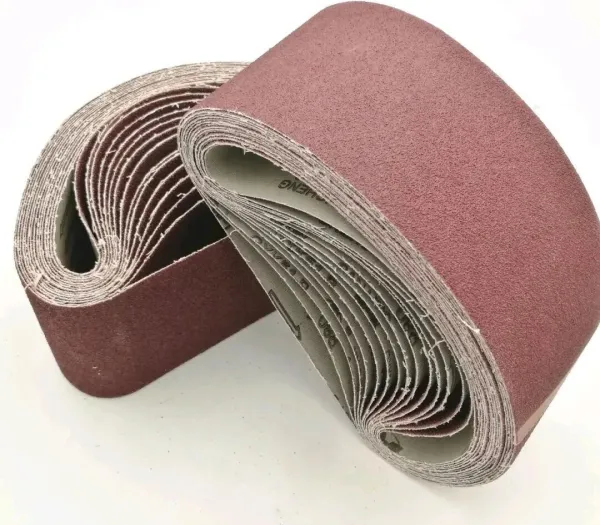
Wide abrasive belt brushing is mainly used for flat surfaces and is particularly suitable for sheet metal. It is one of the traditional methods for producing a brushed metal finish.

Wide Abrasive Belt Brushing for sheet metal brushed finish

3.2. Flat-Press Abrasive Belt Brushing

The workpiece is fixed on a fixture while an abrasive belt runs at high speed. A pneumatically controlled pressing block moves up and down on the back of the belt. When pressed down, the belt conforms to the workpiece surface and produces the brushed texture. This is a commonly used brushing method.

Flat-Press Abrasive Belt Brushing for sheet metal brushed texture

3.3. Non-Woven Roller Brushing

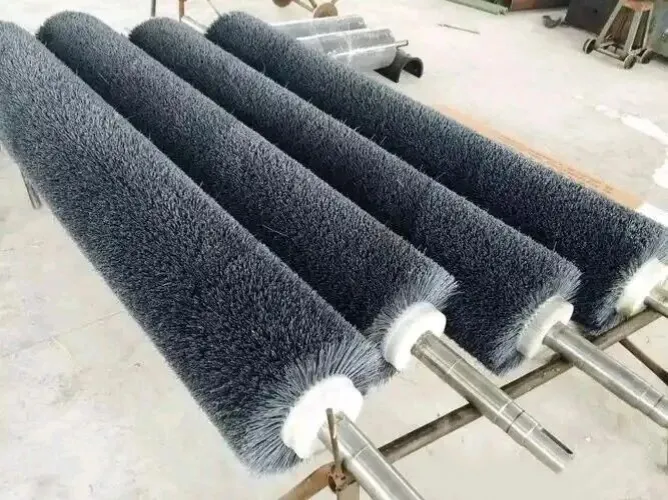
The workpiece is conveyed through non-woven roller brushes. The rollers rotate at high speed to create the surface texture. During brushing, the roller can operate with or without vibration, while different processing speeds can be used to produce textures of different lengths.
This method is suitable for large-area brushing and surfaces with a certain degree of curvature, such as small raised areas or lettering. It can also produce different brushed texture effects.

Non-Woven Roller Brushing

3.4. Centerless Grinding and Brushing

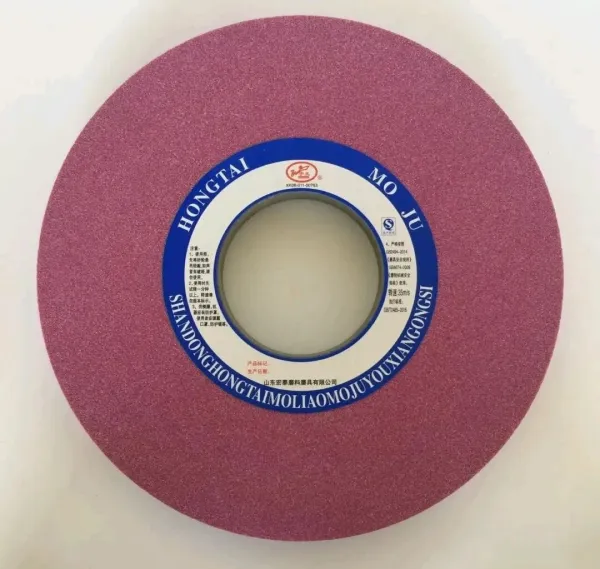
Centerless grinding can be used for brushing with non-woven abrasive wheels or abrasive belts. This method is suitable for tubular workpieces. The resulting texture is usually a short-brushed pattern, with the texture length affected by the rotation speed of the workpiece and the characteristics of the abrasive product.

3.5. Polishing Machine Brushing

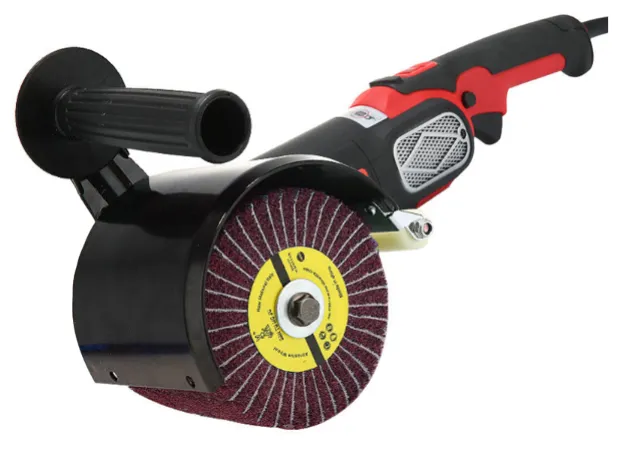
A polishing machine drives a nylon wheel at a specific speed while the operator manually finishes the product surface. This method is suitable for irregular electroplated parts.

Polishing Machine Brushing

4. Brushed Texture Classification

The coarseness of a brushed texture is mainly affected by the abrasive belt grit size. However, the final surface roughness and texture depth are also influenced by the material, abrasive type, grinding pressure, feed speed, processing time, and initial surface condition of the workpiece.
Therefore, there is no fixed one-to-one relationship between abrasive grit size and Ra value. The following are common selections and their typical visual effects.

Finish Grade Common Abrasive Grit Typical Texture Main Applications
Coarse Brushing #180–#240 Clear texture, strong matte effect, and good ability to reduce the visual impact of surface imperfections Industrial structural parts, large decorative panels, and general appearance parts
Medium Brushing #280–#320 Uniform and clear texture with a balanced appearance and relatively fine surface feel Consumer electronics housings, appliance panels, automotive trim, and general precision appearance parts

Straight Brushed Texture

A straight brushed texture is produced by mechanically rubbing the metal surface to create linear patterns. The process can help reduce the appearance of scratches on the original material surface while providing a decorative effect.
Straight brushed textures can be either long or short. Abrasive pads or metal brushes can be used to create straight or short linear patterns, while changing the brush diameter can produce different texture widths.

5.Characteristics of Brushed Metal Finish

A brushed finish is widely used for surface treatment of metal products, including stainless steel, aluminum, and copper.
As part of the available CNC machining surface finish options, brushing can give machined metal parts a distinctive texture and appearance while improving their visual quality.
For stainless steel products, brushing can improve both appearance and surface performance. For aluminum parts, a brushed metal finish can provide a refined appearance for products where aesthetics are important.

Appearance Quality Inspection

A qualified brushed finish should have a consistent brushing direction, fine and uniform texture, and a smooth surface feel. The finished surface is inspected for texture consistency, depth, and overall appearance:

  • Consistent brushing direction across the surface.
  • Fine, uniform, and evenly distributed texture.
  • Smooth surface feel without excessive roughness.
  • No deep or uneven brushed marks.
  • No obvious variation in texture or brushing direction.
Brushed finish appearance quality inspection